Create your best hormone health with East Asian medicine (a guide).
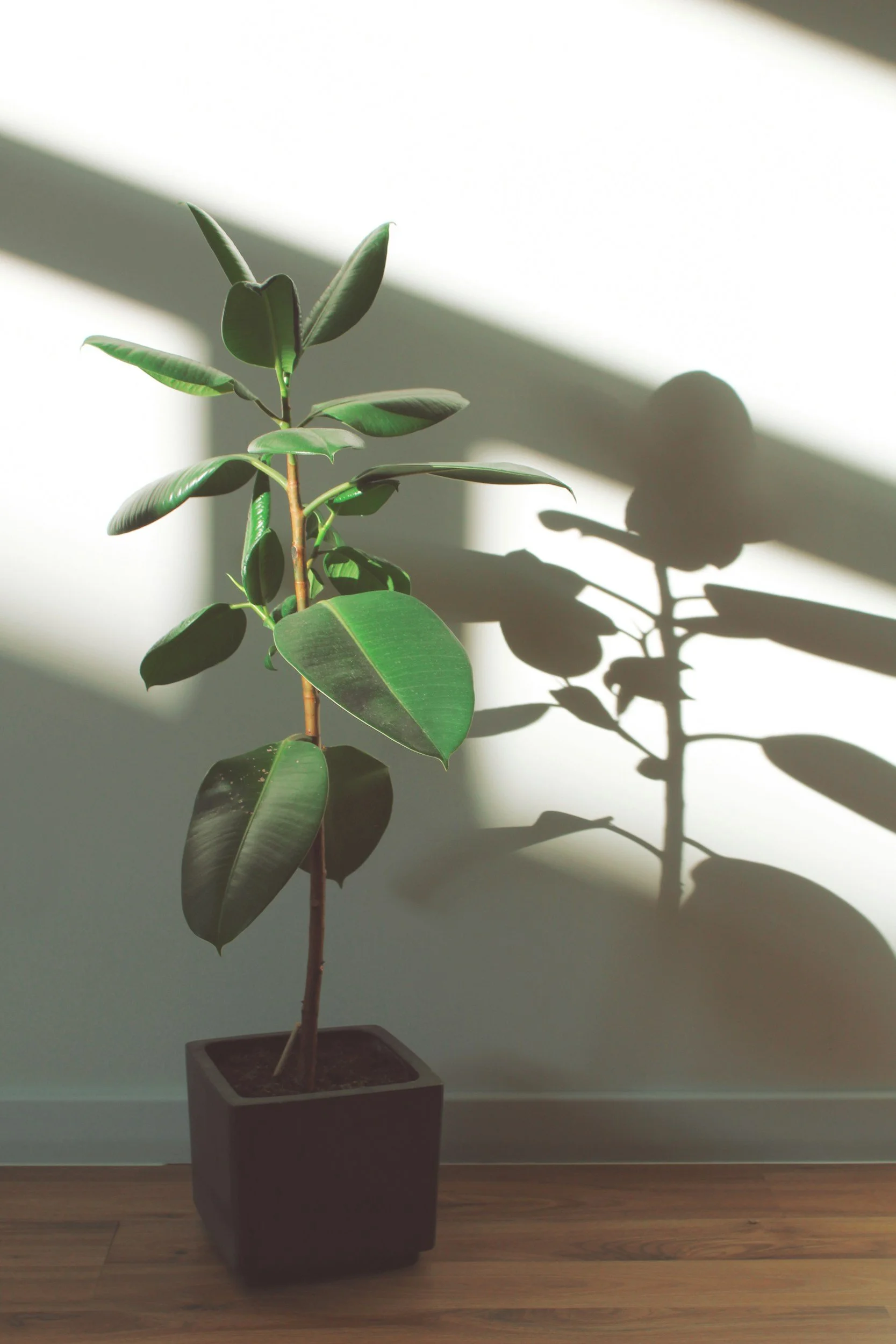
As they say, “You’re basically a house plant with complicated emotions”.
But, listen, you’re not just any houseplant. You are an exquisite, unique, and treasured plant that needs particular care.
If you’ve been “overwatered”," “under-watered”, “neglected”, or in the “wrong environment” for too long, you haven’t been getting what you need to thrive.
And if you're reading this, you probably know that feeling of a wonky cycle, bottomed-out energy, PMS, the bizarre feeling of hot flashes, or months of trying to conceive without clear answers. Maybe you've even been told your labs look "normal," while your body clearly disagrees. This article is here to help you make sense of what your body is telling you. By the end, you should have a good idea of which pattern (or patterns) fit you, and a handful of simple, concrete shifts you can start making right away to help your system find its footing again.
The key to great hormone health is understanding what your unique ecosystem requires to help you return to a thriving state. This is largely what makes East Asian medicine so successful at treating women’s health issues. The medicine was built around observing the imbalances in your body that are preventing healthy homeostasis. Once homeostasis is restored, your body knows what to do to thrive.
With the right care, you can nurture your body towards greater balance, activate your innate healing responses, and help your hormones to start working for you again.
The most common imbalances we see in hormone and fertility struggles are Qi Stagnation, Qi Deficiency, Yang Deficiency, Yin Deficiency, Blood Stagnation, and Blood Deficiency.
Download this checklist to find your pattern—or patterns.
Review your answers. Are there one, two, or even three categories that really stuck out to you? Does one of them make you feel seen? Then that is probably your pattern. A pattern of disharmony is usually a result of a constitutional tendency (think genetic predisposition) combined with an accumulation of lifestyle, nutrition, and/or an environment that hasn’t been serving you.
If you think you know your pattern, find it again below for a guide to help you tend your body back to its most vital state. Remember, this is for informational purposes only. Please review any new supplements, diet, or lifestyle changes with your health practitioner.
Before you read any further, you should know:
-It’s possible to see yourself in more than one category; many of these are seen in combination.
-Speak to your healthcare provider before starting any new supplements or diet plans to make sure it’s safe or right for you.
-Working with an EA medicine herbalist can help you understand your unique ecology and customize a herbal plan to fit your needs.
Tense/Stuck
Qi Stagnation
What it can look like: body tension, pain in the neck, shoulders, jaw, grinding teeth at night, sighing, nervous stomach, tension headaches, PMS, breast swelling and tenderness before the period, mood swings, frequent sighing, feeling of tension in the throat
You might feel critical of yourself and others, or quick to “snap”
You may suffer from constipation or IBS
You could experience cold hands and feet, but your body is warm
The tongue usually looks: normal, but may be slightly red or red and swollen on the sides
It’s possible you often feel: irritable or have mood swings (depression, anxiety)
When it comes to your cycle, you might experience: late ovulation or long cycles, PMS, high prolactin, or painful periods (dispersed pain). If you look at your BBT chart, you might notice a sawtooth pattern (temps jump up and down a lot).
What you can do:
Reduce: Alcohol, caffeine, processed foods (stick to whole foods as much as possible!), inflammatory oils such as soybean, vegetable oil, and margarine
Eat to Nourish and Heal: lots of fiber, beans, broccoli, broccoli sprouts, cauliflower, cabbage, kohlrabi, brussels sprouts, parsley, romaine lettuce, asparagus, radish, apple cider vinegar, spices that help move Qi: mint, basil, garlic, turmeric, rosemary, thyme,
A small amount of sour foods, such as lemon water, in the morning.
Focus on: enjoying moderate movement most days is key to helping move stuck stress from your body. Caring for your stress responses and emotional health is also very helpful. Nurture your nervous system, process your thoughts, feelings, and emotions (journal, R.A.I.N.), and practice healthy boundaries (don’t take on more than you can handle).
Try acupuncture, body gua sha, or massage.
Supplements to consider: magnesium, dandelion, peppermint, and rose herbal tea.
Tired with Poor Digestion
Spleen Qi Deficiency
What it can look like: fatigued, weak muscles, craving carbohydrates, feeling tired after meals, experiencing bloating, loose stools
The tongue usually looks swollen, and scalloped
It’s possible you feel: anxious, worried, tired
When it comes to your cycle, you might experience: some can experience heavy periods, or the blood may be pale and light
What you can do:
Eat to Nourish and Heal: prepare balanced, cooked meals that are easy to digest (such as curries or soups), use herbs and teas to aid digestion, and work on keeping your blood sugar balanced.
Eat mostly warm, cooked foods and add warming spices such as ginger, cinnamon, and turmeric to your meals; balance your blood sugar by eating plenty of protein and fiber with every meal; and lower your consumption of simple carbohydrates and sugar.
Avoid: overconsuming sugar or excess carbohydrates
Focus On: improving your digestion, low-impact exercise most days, such as walking and weight lifting, building muscle
Supplements to consider: digestive enzymes, ginger tea, probiotics
Tired with Poor Digestion + more severe with signs of cold
Spleen Qi Deficiency with Yang Deficiency
What it can look like: feeling tired, groggy, brain fog, lack of motivation, sensitivity to cold, tired after meals, bloating, gas, loose stools, undigested food in stool, water retention, poor circulation, low libido, may experience low back or knee pain
The tongue is usually swollen, pale, and wet, scalloped
When it comes to your cycle, you may experience: some can experience heavy periods, the blood may be pale and watery, may have low progesterone levels, low temperatures, a short luteal phase, temperature drops in the luteal phase, and a greater risk of miscarriage
What you can do:
Eat to Nourish and Heal: same as Spleen Qi deficiency, but consume even more warming spices such as cardamom, fenugreek seeds, cloves, cinnamon, peppercorn.
Avoid: icy cold beverages or raw foods
Focus on: gentle, restorative exercise (such as walking, yoga, gentle weight lifting, qi gong, or tai qi), caring for your digestive system
You may also want to ask your doctor to test your thyroid function. Ideally, looking at a full thyroid panel including TSH, free T4, free T3, TPO, and Anti-TG
*It’s possible you may be operating from a hypoarousal state of your nervous system. If you’re feeling shut down, spacey, depressed, numb, and withdrawn, get some help regulating your nervous system, working with a professional if possible, utilizing breathing exercises, practices to increase your interoception, such as guided meditation or tapping, and creating a greater felt sense of safety around you.
Supplements to consider: ginger tea, ginseng, cinnamon
Tired with Poor Digestion + Overgrowth
Spleen Qi Deficiency + Dampness
What it can look like: fatigued, weak muscles, craves carbohydrates, tired after meals, bloating, loose stools, gas
The tongue usually looks swollen, may have scallops on the sides, with a thick or greasy coating on the tongue
It’s possible you feel: tired, unmotivated
When it comes to your cycle, you might experience: mucous with your bleeding
What you can do:
Eat to Nourish and Heal: prepare balanced, cooked meals that are easy to digest, and use herbs and teas to aid digestion.
Eat mostly warm, cooked foods and add warming spices such as ginger, cinnamon, and turmeric to your meals, balance your blood sugar by eating plenty of protein and fiber with every meal, and lower your simple carbohydrate and sugar consumption
Avoid: sugar, dairy, cold and raw foods, and processed foods
Focus on: tending to your digestive system, nurturing your nervous system, and reducing stress, moderate exercise to move Qi and dampness,
Supplements to consider: digestive enzymes, drink Pau d’ Arco tea, a wide-spectrum probiotic containing s. boulardii
Dry and Inflamed
Yin Deficiency
What it can look like: tired, dry, irritable, low tolerance for stress
trouble sleeping: wakes in the night, vivid dreams, restless sleep, early waking, feeling warm at night, or sweating at night (especially in the chest) feeling dry in more than one place: dry skin, dry hair, dry eyes, dry mouth, dry throat, scanty cervical mucous, aging skin. You may experience hot flashes, vaginal dryness, and thirst.
The tongue usually looks: slightly red with no coating
It’s possible you feel: irritable, possibly tired & wired, anxious or restless
When it comes to your cycle, you may experience: shorter cycles, early ovulation, or irregular cycles. If you look at your BBT chart, you might discover that your temperatures are a little high in the follicular phase.
What you can do:
Eat to Nourish and Heal: increase healthy fats, antioxidants, and juicy, nourishing foods:
Flax seeds, chia seeds (soaked), hemp seeds, almonds, pine nuts, all beans, fish (especially fatty fish such as salmon or small, oily fish such as sardines or anchovies), liver, eggs, bone broth, bone marrow, goat cheese, miso, seaweed, coconut, celery, spinach, swiss chard, cucumbers, asparagus, cabbage, broccoli, cauliflower, mushrooms, sprouts, squashes, sweet potatoes, avocados, beets, apples, pears, watermelon, cantaloupe, bananas, blackberries, blueberries, goji berries, pomegranate, persimmons, apricots, figs, olives
Reduce or Avoid: alcohol, caffeine, sugar, and spicy foods
Focus on: restorative or relaxing forms of exercise, supporting healthy nervous system responses, daily meditation, or listening to guided meditation.
Support sleep with good sleep habits: go to sleep before 11 pm, create a relaxing bedroom atmosphere, avoid screen time at night, listen to a sleep meditation, or apply a little lavender essential oil to the soft middle of your foot (Kidney 1 acupuncture point).
Supplements to consider: melatonin, magnesium, liquid chlorophyll, Shatavari, electrolytes
Stagnant and Clotty
Blood Stagnation
What it can look like: poor circulation, dark or dull complexion, slightly purple hue to your lips, fixed stabbing pain in your body.
The tongue usually looks: purple or dusky, possibly with dark, swollen veins under the tongue
It’s possible you feel: tired, depressed
When it comes to your cycle, you may experience: stabbing period pain, clots in your menstrual cycle, dark, almost purplish-colored blood
What you can do:
Eat to Nourish and Heal: foods and herbs that help reduce blood stagnation, such as turmeric, cinnamon, basil, spearmint, chives, garlic, scallion, leek, ginger, eggplant, kohlrabi, rosemary, mustard greens, and vinegar. Increase your consumption of foods high in Omega-3 fatty acids, such as flax seeds, chia seeds, salmon, sardines, anchovies, and walnuts
Reduce or avoid: inflammatory foods (sugar, fried foods, refined carbohydrates, processed foods, (dairy or wheat for some), excess cold or raw foods, excess alcohol, and smoking
Focus on: increasing blood circulation with moderate exercise and proper posture, learning how to use castor oil packs, v-steams, acupuncture, and/or Arvigo therapy.
Supplements to consider: systemic/proteolytic enzymes, fish oil
*it’s helpful to know if your stagnation is accompanied by cold or heat. In cases of cold you should focus on eating more warming herbs and warming the uterus with a heat pack or moxibustion. If you have blood stagnation and more heat signs (red tongue, feelings of warmth, irritability) focus more on cooling foods and herbs such as spearmint and leafy greens.
Pale and Depleted
Blood Deficiency
What it can look like: tired, thinning hair, weak nails, pale nailbed, dry/chapped lips, blurry vision or seeing “floaters” in your eyes, trouble falling asleep, feelings of dryness on your skin or in your mouth, bruising easily, feeling shaky
The tongue usually looks: pale
It’s possible you feel: tired and anxious
When it comes to your cycle, you may experience: light bleeding, slightly pale-looking blood, or very heavy bleeding
What you can do:
Eat to Nourish and Heal: foods that build blood, such as organic, pasture-raised beef, organ meats, bone broth, beets, dark, leafy greens, goji berries, parsley, spinach, avocado, eggs, lentils, kidney beans (all beans), dates, figs, grapes, cherries, molasses, seaweed, watercress, wheat germ
Reduce or avoid: processed foods, too many raw foods, too much caffeine
Focus on: reducing stress, eating at regular mealtimes with good digestion practices such as chewing your food thoroughly, eating in a low-stress environment, and getting enough rest
Supplements to consider: liquid iron and herbs (Gaia or Floradix), liquid chlorophyll, nettle leaf tea, vitamin C
Did an obvious pattern show up for you? Or did you see yourself in many of them? Either way, let this be the takeaway: your body isn't broken, and it isn't working against you. It's been quietly asking for something specific, and now you have a clearer sense of what that might be. You don't need to overhaul everything at once. Choose one or two changes that feel manageable, give them time to take root, build from there, and start giving your ecosystem exactly what it needs to thrive again.
And if you are ready for more customized, in-depth, whole-person support, you’re welcome to apply to the Root Care Program.